- by E.T.
Berberine for metabolic health has become a major wellness topic, even though traditional health systems have used berberine-containing plants for centuries.
Today, online marketers often introduce berberine with flashy nicknames and sweeping promises—most commonly calling it “nature’s metformin.”
That phrase may collect clicks, but it does not accurately explain what berberine is, how researchers think it works or what the evidence actually supports. Berberine is not metformin, and no one should treat it as a replacement for prescribed medication.
Fortunately, a major scientific review published in 2025 gives us something far more useful than a nickname: measurable human evidence.
What is berberine and how does it work?
Berberine is a naturally occurring plant compound called an alkaloid. Several plants contain it, particularly within their roots, stems and bark.
Researchers have grown increasingly interested in berberine because it appears to influence several processes involved in metabolic health. These processes include the ways the body handles glucose, produces cellular energy and manages fats within the bloodstream.
That does not make berberine a miracle ingredient. The human body is not an appliance with a single metabolic “fix everything” button. If it were, someone would have sold us the deluxe model by now.
Berberine interests researchers because its potential activity extends beyond one measurement or biological pathway.
What did the new berberine research find?
In July 2025, researchers published a systematic review and meta-analysis of randomized, placebo-controlled berberine trials.
A meta-analysis combines results from multiple studies. This process can provide a broader view of the evidence than any single experiment can offer.
The researchers found significant improvements in several metabolic measurements among people who took berberine.
Their analysis reported reductions in:
- Fasting blood glucose
- Two-hour oral glucose-tolerance measurements
- Triglycerides
- LDL cholesterol
- Total cholesterol
- Body-mass index
- Waist circumference
Across the studies, participants experienced an average reduction in waist circumference of approximately 3.27 centimeters, or about 1.3 inches.
That does not mean everyone who takes berberine should expect to lose exactly 1.3 inches from the waist. Meta-analysis results represent averages across different study populations, and individual responses can vary considerably.
The researchers found no significant improvement in HDL cholesterol or systolic and diastolic blood pressure. That distinction matters. Good wellness education should include what a study did not find—not merely the most exciting numbers in the abstract.
The trials also showed no significant difference in reported safety outcomes between berberine and placebo. Nevertheless, the researchers emphasized the need for more high-quality, rigorously designed clinical trials.
Why berberine for metabolic health interests researchers
Metabolic health involves much more than the number displayed on a bathroom scale.
It includes how the body processes glucose, transports and stores energy, manages fats in the bloodstream and supports normal cardiovascular function. Waist circumference can provide additional useful information because abdominal fat often relates more closely to metabolic risk than total body weight alone.
This analysis deserves attention because the researchers did not connect berberine with only one isolated measurement. Instead, they found improvements across several related markers, including glucose, triglycerides, LDL cholesterol and waist circumference.
That broader pattern helps explain why scientists continue to investigate berberine for metabolic health.
The researchers also found signs that treatment duration may influence certain outcomes. In some subgroup analyses, interventions lasting 90 days or less produced stronger LDL and HDL results than longer interventions.
We should not interpret that finding as proof that shorter use always works better. However, it gives future researchers another worthwhile question to investigate.
How berberine may support metabolic health
Scientists continue to investigate exactly how berberine produces its effects. Current research suggests that it may influence cellular energy regulation, glucose metabolism and lipid processing through several interconnected pathways.
One of the most frequently discussed pathways involves an enzyme called AMP-activated protein kinase, commonly shortened to AMPK. This enzyme helps cells monitor and manage their energy supply.
Researchers sometimes describe AMPK as a metabolic “master switch,” although the actual biology involves far more complexity than that convenient phrase suggests.
Berberine may also influence the gut microbiome and the way intestinal microorganisms process nutrients. Scientists continue to explore this relationship, and they have not yet answered every question.
The important point is that berberine does not appear to rely upon one magical mechanism. Its potential value may come from its interaction with several parts of the body’s metabolic network.
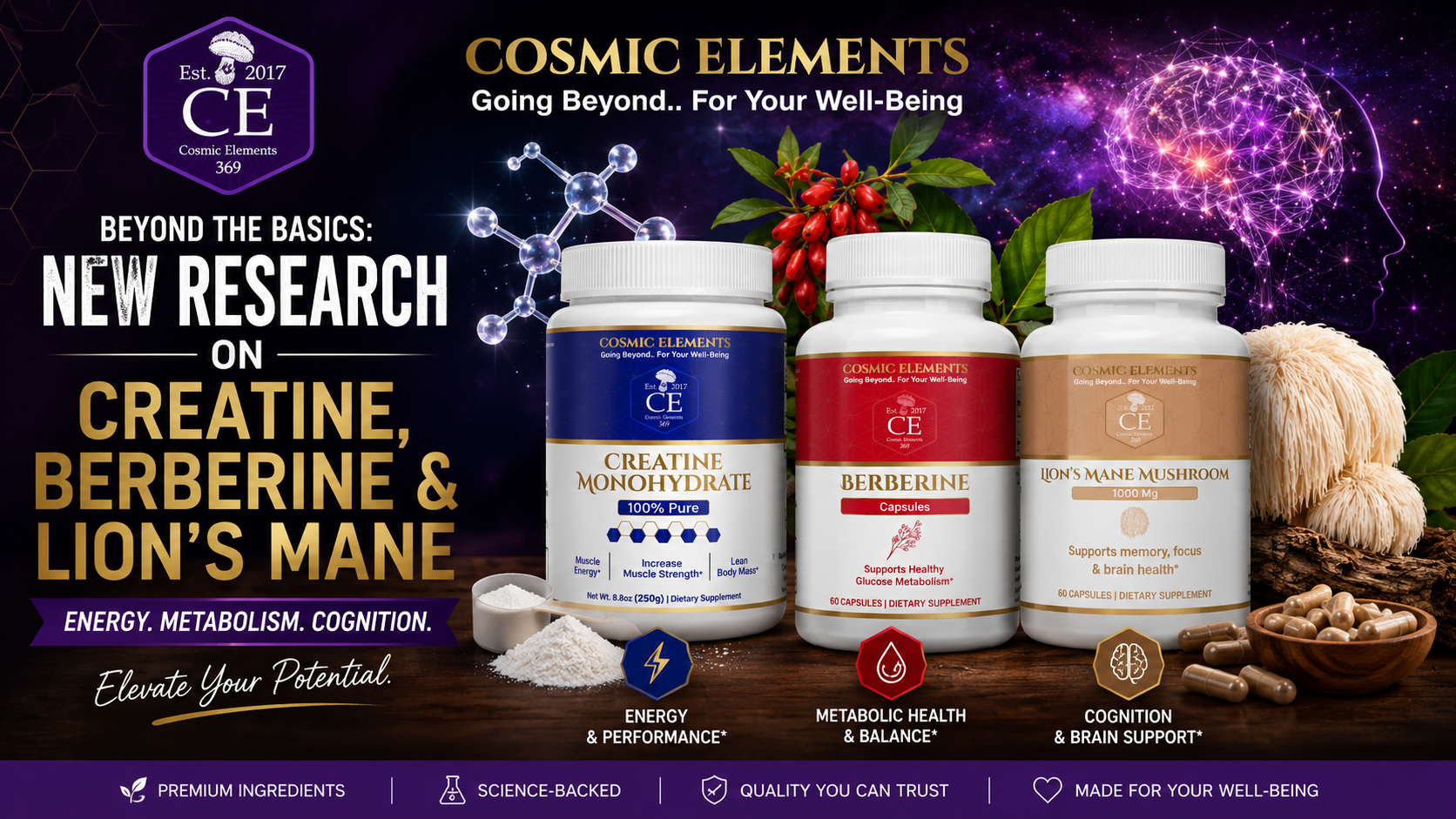
For a wider look at the developing science behind familiar supplements, read our earlier article, Beyond the Basics: New Research on Creatine, Berberine and Lion’s Mane.
Berberine for metabolic health does not replace healthy habits
No supplement can replace the foundations of metabolic well-being:
- A balanced, nutrient-dense diet
- Regular movement and resistance exercise
- Consistent, restorative sleep
- Healthy stress management
- Appropriate medical care and monitoring
People should view berberine as a supplemental ingredient—not as permission to declare vegetables optional.
Berberine may also interact with medications or intensify their effects, particularly medications that lower blood glucose. Anyone who uses diabetes medication, anticoagulants or other prescription treatments should consult a qualified healthcare professional before taking berberine.
Pregnant or breastfeeding individuals should also seek professional medical guidance before using it.
Why berberine ingredient quality matters
A promising ingredient can only perform as reliably as the product that delivers it.
Botanical supplements can differ in plant species, plant part, extraction method, concentration, purity and storage conditions. Two bottles may both display “berberine” on the front while containing ingredients of noticeably different quality.
At Cosmic Elements, we believe the ingredient’s name only begins the conversation.
We prioritize carefully selected ingredients, responsible manufacturing and third-party testing standards that support identity, purity and consistency. These standards matter because consumers deserve to know that the product inside the bottle reflects the care and precision behind the scientific conversation.
Those principles guide our Cosmic Elements Berberine Capsules and the rest of our botanical supplement collection.
A beautiful label is nice—we are rather fond of ours—but what sits inside the bottle remains the most important part.
The real takeaway from the berberine research
The 2025 analysis strengthens the scientific case for studying berberine for metabolic health, but it does not establish berberine as a cure, pharmaceutical replacement or shortcut around healthy habits.
Instead, the research provides meaningful evidence that berberine may support several components of metabolic wellness when people use it appropriately. These areas include normal glucose metabolism, lipid balance and healthy waist measurements.
That evidence tells us far more than a viral nickname ever could.
Ancient botanical knowledge and modern research do not have to compete. At their best, they illuminate one another—traditional use gives science a place to look, while science helps us understand what may actually happen beneath the surface.
That intersection is exactly where Cosmic Elements likes to be:
Rooted in nature. Backed by science. Fueled by purpose.
Going Beyond… For Your Well-Being.
Research reference
Liu D, Zhao H, Zhang Y, Hu J, Xu H. Efficacy and safety of berberine on the components of metabolic syndrome: a systematic review and meta-analysis of randomized placebo-controlled trials. Frontiers in Pharmacology. Published July 16, 2025. DOI: 10.3389/fphar.2025.1572197.
This article provides general educational information and does not constitute medical advice. The Food and Drug Administration has not evaluated these statements. Dietary supplements do not diagnose, treat, cure or prevent disease. Consult a qualified healthcare professional before beginning any new supplement, particularly if you have a medical condition or take medication.